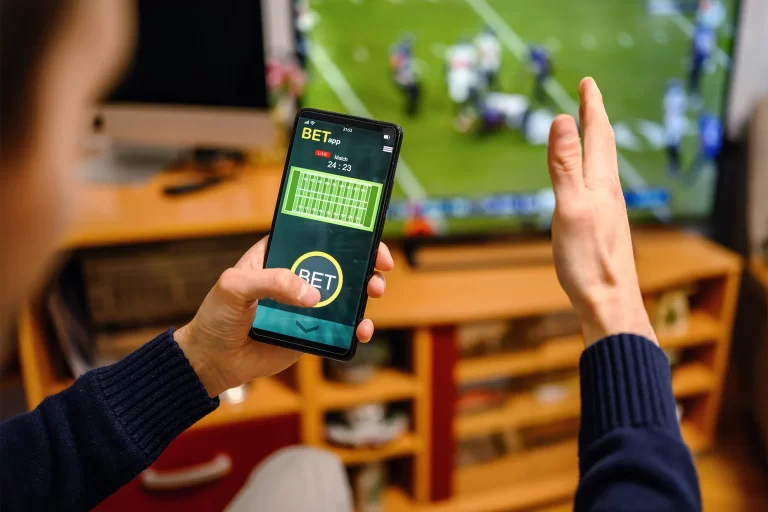


Winning is one possible outcome of gambling, but it is never a guaranteed result. The difference seems obvious when explained logically. However, expectations can change after someone experiences a few wins, spends a long time playing, or becomes emotionally invested in a particular game. What began as a possibility may gradually feel like something that should happen.
This shift is important because expectations influence decisions. Players may start spending more time or money because they believe a win is approaching, even when the actual odds have not changed. Understanding how this happens can help people separate their feelings from the mathematical realities of gambling.
How a Possibility Turns Into an Expectation
At the beginning, many players understand that winning is uncertain. They may set a small budget, play for entertainment, and accept that they could lose. After a successful session, however, their perspective can change.
A win creates a memorable experience. The excitement, relief, or satisfaction associated with that result may remain in the player’s mind longer than an ordinary losing round. If similar experiences happen again, the person may begin to expect another positive result.
For example, someone might win twice during a short session and conclude that the game is treating them well. The next session begins with greater confidence, even though the earlier wins do not establish that future results will be favourable.
The psychological change is subtle. The player is no longer thinking only about what could happen. They are beginning to believe what should happen.
Why Previous Wins Can Create Overconfidence
People naturally use experience to make predictions. In everyday situations, this approach often works. If a particular route is usually quiet in the morning, past experience may help someone estimate tomorrow’s traffic.
Random gambling outcomes work differently. Previous results do not necessarily provide useful information about the next independent outcome.
A player who wins several rounds may feel more skilled, even when the result depended mainly on chance. This is especially relevant in games where outcomes are determined by random number generators or other chance-based mechanisms.
Overconfidence can also affect financial decisions. A player may increase their stake because earlier wins have made the activity feel manageable. They might treat winnings as extra money rather than recognising that those funds can also be lost.
A useful reminder is that confidence is a feeling, not evidence that the odds have improved.
The Influence of Near Wins and Memorable Moments
A near win can sometimes feel like progress toward a successful outcome. For instance, a player may see symbols that almost form a winning combination and think the next round could produce the result they wanted.
However, an outcome that looks close to a win does not necessarily indicate that a win is becoming more likely. In a properly random game, the visual appearance of a previous result does not make the next independent result more favourable.
Memorable moments also shape expectations. A large payout may be remembered for weeks, while many smaller losses may receive less attention. This imbalance can make the activity appear more rewarding than the complete record would show.
Keeping track of actual spending and results can help correct this distorted impression.
How Expectations Can Lead to Riskier Decisions
When winning feels expected, losses may become harder to accept. Instead of treating a loss as a normal possible outcome, the player may interpret it as a temporary obstacle before an anticipated win.
This can lead to several behaviours:
- Increasing stakes in an attempt to achieve the expected result.
- Continuing beyond a previously established time limit.
- Spending additional money after the original budget is exhausted.
- Treating earlier winnings as money that can safely be risked again.
- Ignoring the possibility that the session may end without a win.
These behaviours do not guarantee that someone will develop a gambling problem, but they can increase financial and emotional risk.
A More Realistic Way to Think About Winning
A practical approach begins with recognising that possibility and probability are different from certainty. Even when a game offers a chance to win, the result may not occur during a particular session.
Before playing, decide how much money you can afford to lose without affecting bills, savings, debt payments, or household needs. Set a time limit as well, and do not increase either limit because a win feels close.
It is also helpful to assess the complete experience rather than focusing on a single successful moment. A small payout may be less than the total amount spent, so receiving money does not automatically mean the session produced a profit.
If you find yourself thinking, “I have played this long, so I deserve a win,” pause. Time spent playing does not create an entitlement to a particular result.
Conclusion
Winning becomes an expectation when memorable experiences, emotions, and overconfidence begin to outweigh an understanding of chance. A previous win may feel encouraging, but it does not promise another one. Recognising this difference can support clearer decisions and help prevent unrealistic expectations from controlling gambling behaviour.
FAQs
1. Why do players start expecting to win?
Previous wins, emotional excitement, selective memory, and overconfidence can make winning feel more likely than it really is.
2. Do previous wins improve future gambling odds?
Not necessarily. In independent random games, earlier outcomes do not change the probability of the next result.
3. Why is expecting a win potentially risky?
It may encourage players to spend more money or time than planned, particularly when they continue playing to meet an expectation. Visit here!
4. How can players maintain realistic expectations?
They can understand the game’s stated odds, set firm limits, track total spending, and accept that a session may end without a win.