



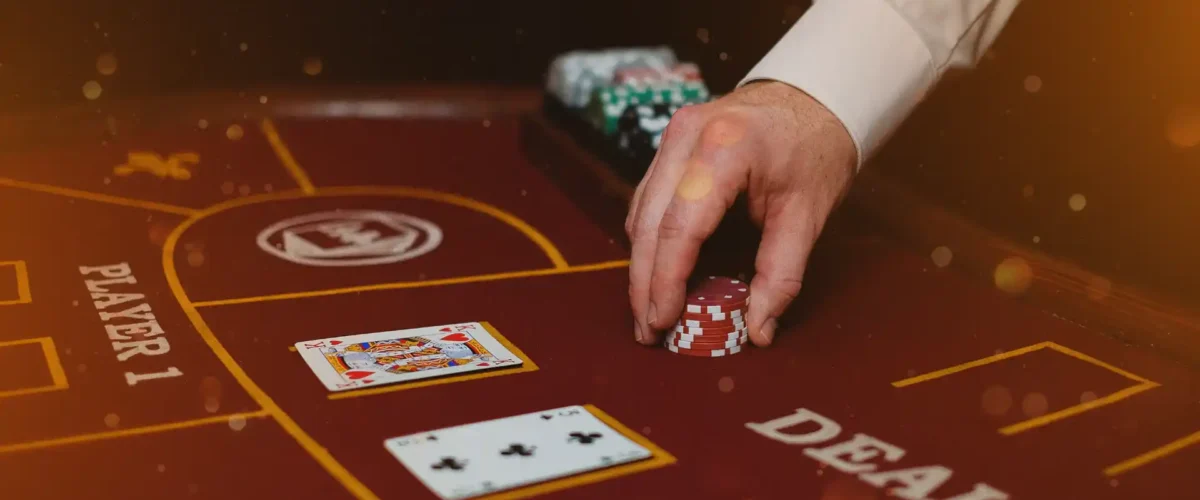
Gambling decisions are rarely influenced by numbers alone. Even when people understand that a game involves uncertainty, their emotions can affect what they do next. Excitement after a win may encourage them to continue, while frustration after a loss may create an urge to recover the money. Anxiety about stopping without a positive result can also make it difficult to follow an original plan.
Emotions are a normal part of human decision-making. The problem arises when a temporary feeling begins to determine financial choices without enough consideration of the consequences. Understanding these reactions can help people recognise when they need to pause or step away.
How Excitement Changes Risk Perception
A successful result can create an immediate sense of reward. The player may feel optimistic, energetic, and more confident about continuing.
This emotional response can make potential rewards seem more important than possible losses. Someone who planned to spend ₹500 may decide to continue because the session feels successful. They may also treat money already won as less valuable than money they brought with them.
However, money received during a session remains money that can be lost. A previous win does not guarantee another, and confidence does not necessarily indicate that the odds have improved.
The useful response is to keep the original spending limit unchanged, regardless of how exciting the session becomes.
How Frustration Can Lead to Chasing Losses
Losses can produce disappointment, irritation, or a feeling that the outcome was unfair. A player may respond by attempting to recover the money immediately.
This behaviour is often called chasing losses. The person continues gambling or increases their stakes because they want to return to the financial position they had before losing.
The difficulty is that the next outcome remains uncertain. In an independent random game, previous losses do not make a win due. Additional gambling may increase the total amount lost rather than restore the earlier balance.
For example, someone who loses ₹700 may decide to risk another ₹500 because stopping feels like accepting defeat. If the second amount is also lost, the financial pressure becomes greater.
The original loss cannot be changed by another decision. A safer approach is to stop, accept the result, and avoid risking more money in an attempt to reverse it.
The Role of Anxiety and Fear of Missing Out
Some players feel anxious about stopping because they worry that a win might happen immediately afterward. This fear can make ending a session feel like giving up an opportunity.
The same feeling can occur when a game displays a limited-time promotion or another prompt encouraging immediate participation. The player may believe they need to act now rather than take time to consider the costs.
Yet missing a possible reward is not the same as losing money that has already been spent. Choosing not to participate avoids the financial risk of that additional attempt.
A useful question is whether the decision is being made because the activity fits a planned budget or because the person is afraid of missing something.
Why Emotions Can Override an Original Plan
People often create plans when they feel calm. They may decide how much to spend, when to stop, and what activities to prioritise.
Once gambling begins, however, the emotional environment changes. A win can encourage greater optimism, while a loss can create a desire for immediate correction. The original plan may begin to feel less important than the current emotion.
This is one reason pre-set limits can be helpful. They move important decisions to a time when the person is less emotionally involved.
For example, setting a strict spending limit before starting makes it easier to recognise when the limit has been reached. The player does not need to decide whether to continue while dealing with the disappointment of a loss.
Recognising Emotional Warning Signs
Emotional decision-making may become noticeable through changes in behaviour. Warning signs include:
- Increasing stakes because of frustration or excitement.
- Continuing after reaching a planned limit.
- Thinking repeatedly about recovering money.
- Feeling unable to stop until a particular outcome occurs.
- Hiding spending from family members or friends.
- Using gambling to escape stress or difficult emotions.
One sign does not automatically establish a gambling problem, but repeated patterns deserve attention. If gambling is causing financial pressure or affecting relationships, work, or wellbeing, taking a break and seeking support may be appropriate.
Practical Ways to Regain Control
The goal is not to eliminate emotions. It is to avoid allowing a temporary emotional state to make decisions that have lasting financial consequences.
Try these approaches:
Pause before acting. Step away from the game when you feel unusually excited, angry, or anxious.
Keep firm limits. Set a maximum spending amount and a stopping time before participation begins. Do not increase them during the session.
Avoid gambling to change your mood. If you are stressed or upset, use a different activity to manage those feelings.
Track the complete financial result. Review spending and payouts rather than focusing on the most memorable moment.
Seek support when needed. If you repeatedly struggle to stop, speak with someone you trust or contact a professional gambling-support service.
Conclusion
Emotions can influence gambling decisions by making rewards feel more attractive, losses harder to accept, and stopping more difficult. Recognising excitement, frustration, and anxiety as temporary feelings can create space for a more considered response. Clear limits, breaks, and support can help prevent emotional reactions from leading to greater financial harm.
FAQs
1. Which emotions commonly influence gambling decisions?
Excitement, frustration, anxiety, disappointment, and fear of missing out can all affect how people assess risk.
2. Why do players chase losses?
They may want to recover money quickly or avoid the disappointment of ending a session with a loss.
3. How can someone avoid emotional gambling decisions?
They can set limits in advance, pause when emotions intensify, and avoid gambling when upset or under pressure.
4. When should someone seek help?
Support may be useful when gambling repeatedly exceeds planned limits, creates financial problems, or interferes with relationships and daily responsibilities.






One thought on “When Emotions Begin to Control the Next Move”