There is a certain kind of quiet magic that settles over a person during a long winning run. It does not arrive loudly or dramatically, but grows gently, like warmth spreading through the body. One win follows another, sometimes small, sometimes meaningful, and with each success, a soft belief begins to form. It feels as though something has shifted, as if the player has found a rhythm hidden beneath the surface.
This feeling is deeply human. In uncertain environments like gambling, the mind naturally looks for stability, for something it can hold onto. A winning streak offers exactly that—a temporary sense of order in randomness. What begins as luck slowly starts to feel like control.
Yet beneath that calm confidence lies a quiet truth: the nature of chance has not changed at all.
When Winning Starts to Feel Personal
As wins continue, the experience becomes more than numbers or outcomes—it becomes personal.

A player may begin to feel that they are doing something right. Their timing feels better. Their instincts feel sharper. Even simple actions, like when to spin or how much to bet, begin to carry a sense of meaning. This is not a conscious decision, but a natural psychological shift.
According to research in behavioral psychology, humans are wired to connect outcomes to actions—even when no real connection exists. A well-known study by psychologist B.F. Skinner showed that even pigeons developed “superstitious” behaviors when rewards were given randomly. Humans, with far more complex emotions, do this even more subtly.
A player once shared on an online forum:
“After a few wins, I genuinely felt like I knew when to press spin. It sounds silly now, but in that moment, it felt real.”
This is the beginning of the illusion—not forced, not irrational, but quietly convincing.
The Brain’s Pattern-Seeking Nature
The human brain is not built to accept randomness easily. Instead, it constantly searches for patterns, even when none exist. This tendency is known as apophenia—the perception of connections in unrelated data.
During a winning streak, this pattern-seeking becomes stronger. The brain begins to link outcomes with actions:
- “I increased my bet and won—so that must matter.”
- “I waited a few seconds before spinning—that worked.”
- “This machine feels lucky.”
But statistically, each spin remains independent. Studies in gambling behavior show that over 70% of regular players believe they can influence random outcomes, even when they understand the mechanics logically.
This disconnect between knowledge and belief is where the illusion quietly grows.
The Gentle Growth of False Control
At first, confidence feels helpful. It reduces hesitation and creates a smoother experience. But over time, confidence can shift into something else—a belief that outcomes are being influenced.
This is known as the illusion of control, a concept studied by psychologist Ellen Langer. Her research found that people often behave as if they can control purely chance-based events, especially when they are emotionally invested.
During a winning run, this illusion grows naturally:
- Decisions feel easier
- Risks feel smaller
- Outcomes feel connected to personal action
A player on a gambling discussion thread once wrote:
“When I’m winning, I stop doubting myself. I just go with what feels right.”
This confidence is not entirely negative—but it becomes risky when it replaces awareness.
How Winning Streaks Change Risk Behavior
One of the most important effects of long winning runs is how they change risk perception.
A study published in gambling behavior research found that players on winning streaks are significantly more likely to:
- Increase their bet size
- Play for longer periods
- Take risks they would normally avoid
This happens because success reduces the emotional weight of risk. When things are going well, the mind quietly assumes they will continue.
Economist Daniel Kahneman once explained:
“People overweight recent experiences when making decisions, especially under uncertainty.”
In simple terms, recent wins feel more important than long-term reality.
When the Illusion Begins to Crack
Eventually, every streak changes. Wins slow down. Losses appear.
And when they do, something subtle happens—not just externally, but internally.
The sense of control does not disappear immediately. Instead, the mind tries to protect it:
- “Maybe I just need to adjust my timing.”
- “I should increase my bet to get back on track.”
- “It will turn around again.”
This is where many players struggle. Instead of seeing the shift as natural randomness, they try to regain control that was never truly there.
A real player comment reflects this perfectly:
“When the streak ended, I didn’t accept it. I thought I could fix it. That’s when things went wrong.”
This moment is critical—not because of the loss, but because of the belief behind it.
Why the Illusion Feels So Real
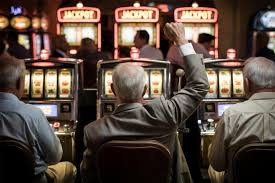
The illusion of control feels real for a reason. It satisfies deep psychological needs:
- Control in uncertain situations
- Meaning in random outcomes
- Identity as someone capable or “in sync”
Neuroscience studies show that winning activates the brain’s reward system, releasing dopamine—the same chemical linked to motivation and pleasure. This reinforces the behavior, making the experience feel not just lucky, but earned.
In fact, near-wins (almost winning) can trigger similar brain responses as actual wins, strengthening the belief that success is close or influenced.
This is why the illusion is not a flaw—it is a natural human response.
Bringing Awareness Back
The goal is not to remove confidence or enjoyment, but to bring awareness back into the experience.
A balanced mindset includes:
- Enjoying wins without attaching control to them
- Recognizing that streaks are part of randomness
- Pausing before increasing risk
- Noticing when belief replaces observation
Even a small pause can shift perspective.
As one experienced player shared:
“The moment I started questioning my ‘control’ was the moment I started playing smarter.”
A Softer, Clearer Perspective
Long winning runs are exciting. They bring energy, confidence, and a sense of flow that feels rare and meaningful. There is nothing wrong with enjoying that experience.
But beneath that experience lies a simple truth: chance does not change.
The illusion of control is not a mistake—it is a reflection of how the human mind seeks connection and meaning. It turns randomness into something personal, something understandable.
The quiet wisdom lies in holding both realities at once:
- The joy of winning
- And the truth of uncertainty
When both are seen clearly, the experience becomes lighter. Decisions become calmer. And the player is no longer carried by the illusion, but gently aware of it.
Final Thought
In the end, the illusion of control is not something to fight, but something to understand.
Because when we begin to notice it—not with judgment, but with quiet awareness—we create space between feeling and action. And in that space, there is clarity.
Not loud or forceful, but steady.
And that steadiness is far more powerful than control ever was.







Leave a Reply