There is a quiet thought that slips into the mind after a series of losses. It doesn’t arrive loudly or demand attention, but settles gently, almost like reassurance. A person watches one outcome follow another, and slowly, a belief begins to form: something has to change soon.
This feeling—of being “due” for a win—feels natural. It carries a sense of fairness, of balance returning, of the universe correcting itself. It doesn’t feel irrational. In fact, it often feels like simple common sense.
But beneath that calm certainty lies one of the most powerful psychological illusions in gambling—and in human thinking itself.
How the Mind Naturally Seeks Balance
The human brain is built to detect patterns and restore balance. In everyday life, this works well:
- After a stressful day, we expect rest
- After hard work, we expect reward
- After a low point, we expect things to improve
This expectation creates emotional stability. It helps us make sense of the world.
But in games of chance, this instinct becomes misleading.
Psychologists call this tendency the “gambler’s fallacy”, a concept studied extensively by Amos Tversky and Daniel Kahneman. Their research showed that people consistently believe past outcomes influence future ones—even when each event is completely independent.
A classic example:
If a coin lands on heads five times in a row, many people believe tails is now “due.”
In reality, the probability remains exactly the same.
Why “Being Due” Feels So Real
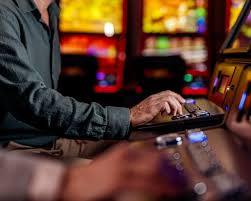
The feeling of being due doesn’t come from logic—it comes from emotion, memory, and expectation blending together.
Several psychological forces make this belief convincing:
1. Pattern Recognition
The brain connects outcomes into sequences, even when they are random.
2. Fairness Bias
We expect the world to “even out,” because fairness feels natural.
3. Emotional Relief
After losses, the idea of an upcoming win reduces discomfort.
4. Selective Memory
We remember moments when a win did follow losses, reinforcing the belief.
A real player once shared online:
“After losing 10 times, I just knew the next one had to hit. It felt impossible that it wouldn’t.”
This is not ignorance—it’s how the human mind tries to restore order in uncertainty.
What the Numbers Actually Say
In reality, most gambling systems are based on independent events.
That means:
- Each spin is separate
- Each outcome has the same probability
- The past does not influence the future
For example:
If a slot machine has a 5% chance of hitting a certain outcome, that probability remains 5% every single time—no matter how many losses came before.
Research in gambling behavior shows that over 60% of players believe a win becomes more likely after repeated losses, even when they understand the rules.
This gap between knowing and feeling is where the illusion lives.
When “Due” Starts Guiding Decisions
As the feeling grows stronger, it begins to influence behavior.
Players may begin to:
- Increase their bets
- Continue playing longer than planned
- Avoid stopping because “the win is close”
This creates a subtle but important shift:
Decisions are no longer based on the current situation, but on an expected correction that may never come.
A comment from a gambling discussion highlights this perfectly:
“I didn’t want to leave because I felt like I’d miss the win. That feeling kept me there longer than I planned.”
This is the quiet risk—not the belief itself, but how it shapes action.
The Emotional Weight of “Almost There”
One of the most powerful reinforcements of this belief is the near miss.
When a player almost wins, it feels like progress—as if they are getting closer.
Studies show that near misses activate the brain’s reward system in a similar way to actual wins. This creates a false sense of momentum.
The mind begins to think:
- “It’s getting closer”
- “I’m on the edge of winning”
Even though, statistically, nothing has changed.
Why Letting Go Feels Difficult
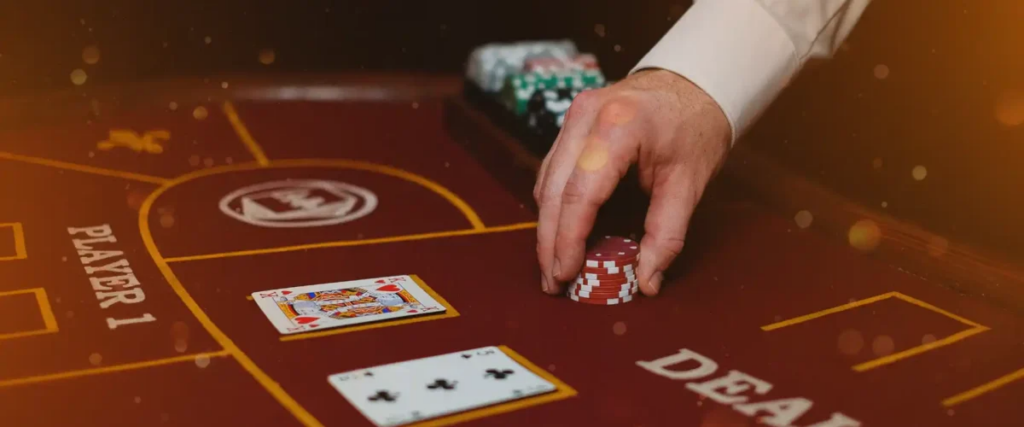
Letting go of the “due” feeling is not easy, because it offers something emotionally valuable:
- Hope during loss
- Meaning in randomness
- A sense of control in uncertainty
Without it, the experience can feel more empty, more unpredictable.
That’s why the belief persists—not because it is logical, but because it is comforting.
As one player honestly shared:
“I knew it didn’t make sense, but it felt worse to stop than to keep going.”
Bringing Awareness Back Without Losing Hope
The goal is not to remove hope—it’s to separate hope from expectation.
A balanced approach looks like this:
- Recognizing that each outcome is independent
- Noticing when the “due” feeling appears
- Pausing before acting on it
- Allowing hope without attaching certainty to it
Even a brief pause can create clarity.
Instead of:
“I’m due for a win”
The mindset gently shifts to:
“A win is possible, but not guaranteed”
This small change makes a powerful difference.
A More Grounded Way to See It
Understanding the illusion does not take away the emotional experience—it simply brings it into clearer focus.
You can still:
- Feel hopeful
- Enjoy the anticipation
- Stay engaged in the moment
But without being quietly guided by an expectation that isn’t real.
This creates a calmer, more balanced experience—one where decisions feel chosen, not pulled.
Final Thought
The feeling of being “due” for a win is not a flaw—it is a reflection of how deeply the human mind seeks balance, fairness, and meaning.
It turns randomness into something that feels understandable.
But when we begin to see it clearly, something shifts.
We don’t lose hope—we refine it.
We don’t lose engagement—we gain awareness.
And in that awareness, there is something quietly powerful:
The ability to move forward not just with feeling, but with clarity.
And that clarity, more than any streak or outcome, is what truly changes the way the game is experienced.






Leave a Reply