There is a quiet space between a thought and an action, a small moment that often goes unnoticed, yet it carries a great deal of meaning in how a person chooses to move forward. Some people sit in that space a little longer, letting their thoughts settle and take shape before they act, while others move quickly, almost as if the action comes before the thought has fully formed.
In places like gambling, where decisions come one after another, this difference becomes more visible, showing how the same person can sometimes think carefully and at other times act without much pause.
At first, acting fast can feel natural and even helpful, especially when the environment is moving quickly and there is a sense that hesitation might lead to missed chances. Thinking smart, on the other hand, feels slower, more deliberate, and sometimes less exciting, because it asks for patience and a willingness to pause. Yet both ways of responding exist within the same person, and the balance between them can quietly shape the path that unfolds, often without being clearly noticed in the moment.
The Calm Nature of Thinking Smart
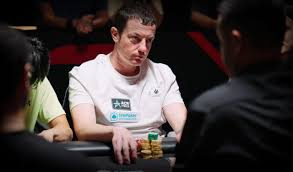
Thinking smart does not mean thinking more, but thinking with care, allowing space for awareness to stay present while decisions are being made. It carries a quiet steadiness, where the mind takes time to notice what is happening, to reflect on what has come before, and to consider what might follow. This kind of thinking feels calm and grounded, like walking slowly on a path where each step is placed with attention.
In this state, a person is less likely to be pulled by sudden emotion, because there is a small distance between feeling and action that allows for reflection. A loss may still bring disappointment, and a win may still bring excitement, but those feelings do not immediately turn into decisions. Instead, they are noticed, held gently, and allowed to settle before the next step is taken.
There is also a sense of clarity that comes with this approach, because the person remains connected to what is real rather than what is imagined or hoped for. The decisions may not always lead to better outcomes, because chance still plays its role, but they come from a place of awareness rather than impulse. This creates a kind of inner balance, where the mind feels steady even in uncertain situations.
The Quick Pull of Acting Fast
Acting fast has its own energy, one that feels immediate and direct, where decisions are made almost as soon as the thought appears, without much time for reflection. This way of responding can feel exciting, because it follows the rhythm of the moment, moving in sync with the pace of the game or the flow of the experience. There is a sense of being fully engaged, of reacting quickly to what is happening without hesitation.
In gambling, this quick action often grows stronger over time, especially as the player becomes more absorbed in the experience. The repeated cycle of play creates a rhythm that encourages movement rather than pause, and the mind begins to follow that rhythm naturally. Decisions become quicker, less examined, and more connected to the immediate feeling of the moment.
There is also a kind of ease in acting fast, because it removes the need to think deeply or question each choice, allowing the person to move forward without the weight of careful consideration. This can feel freeing in a way, yet it also creates a space where emotions can guide decisions more strongly than awareness. The action feels right in the moment, even if it is not fully understood.
When Speed Replaces Awareness
As the difference deepens, there are moments when speed begins to replace awareness, when the quickness of action leaves little room for reflection or understanding. A person may continue to act without noticing why they are making certain choices, following a pattern that feels natural but is no longer guided by clear thought. In this state, decisions are shaped more by habit and feeling than by intention.
This shift often happens quietly, because each action feels small and reasonable on its own, yet over time, the pattern becomes stronger and more automatic. The player may feel as though they are simply going with the flow, yet that flow is no longer balanced by moments of pause or reflection. The space where thinking once lived becomes smaller, and the rhythm of action takes over.
There is also a subtle loss of control in this state, even though it may not feel that way, because acting fast can create the illusion of being in control through constant movement. The person is always doing something, always responding, yet not always choosing with full awareness. This difference is gentle but important, because it shapes not only the decisions being made, but also how those decisions are experienced.
Finding a Gentle Balance Between the Two
Thinking smart and acting fast do not need to stand apart as opposites, because both have a place in how we move through life, and the key lies in finding a balance where neither one completely takes over. Acting fast can bring energy and engagement, while thinking smart can bring clarity and steadiness, and together they can create a more complete way of responding to uncertain situations.
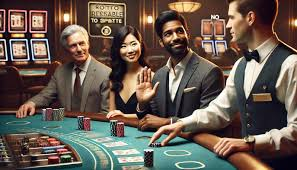
This balance begins with awareness, with noticing when actions feel rushed or when thoughts feel absent, and gently creating space for reflection to return. It does not require stopping completely, but simply allowing a small pause to exist within the flow of action. In that pause, the mind can reconnect with itself, bringing thought and feeling back into alignment.
Over time, this balance can become more natural, where quick actions are still possible, but they are supported by an underlying sense of awareness that keeps everything grounded. The person may move with the rhythm of the moment, yet still remain connected to what they are doing and why. This creates a quieter, steadier way of engaging, where neither speed nor thought is lost.
A Soft Closing Thought
The difference between thinking smart and acting fast is not about choosing one over the other, but about understanding how each one shapes the way we experience and respond to the world around us. Both exist within us, both serve a purpose, yet when one begins to overshadow the other, the balance can gently slip away without being noticed.
And perhaps the most meaningful step is simply to notice that small space between thought and action, to see it for what it is, a quiet place where choice lives. Because in that space, even if it is only for a moment, we have the chance to move not just quickly or carefully, but with a soft awareness that brings both together in a calm and steady way.







Leave a Reply