Introduction
Online gaming communities have grown rapidly over the past decade due to advancements in internet technology, social connectivity, and digital entertainment platforms. Modern gaming communities are no longer limited to simple multiplayer interaction. They now include streaming platforms, discussion forums, social media groups, esports events, and global online networks.
Gaming communities play an important role in shaping user experiences, entertainment trends, and digital communication habits. Technological innovation, mobile accessibility, and evolving social behavior continue influencing how gaming audiences interact online.
As the gaming industry expands globally, online communities remain central to the future of digital entertainment culture.
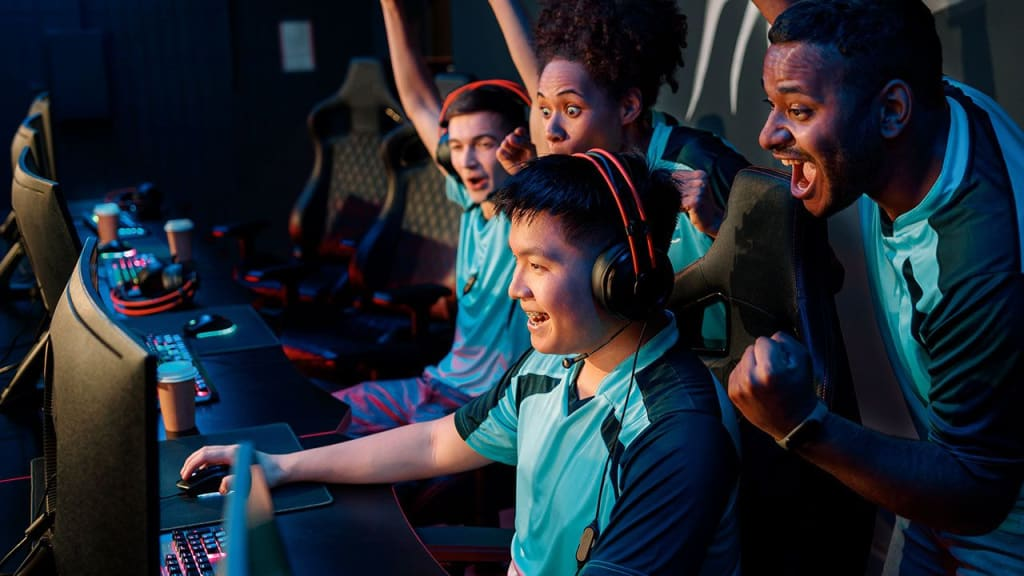
Growth of Multiplayer Gaming
Multiplayer gaming has significantly contributed to the development of online gaming communities. Real-time interaction allows players from different countries and backgrounds to communicate, cooperate, and compete within shared digital environments.
Team-based gameplay, voice communication systems, and online matchmaking have strengthened community engagement across gaming platforms. Multiplayer experiences often encourage long-term participation and social connection among users.
The popularity of multiplayer gaming continues driving community expansion worldwide.
Influence of Live Streaming Platforms
Live streaming has transformed how gaming communities interact and consume entertainment content. Streaming platforms allow gamers to broadcast gameplay sessions while communicating directly with audiences through live chats and interactive features.
Content creators and gaming personalities now influence community discussions, gaming trends, and audience preferences. Streaming has also created new career opportunities within the digital entertainment industry.
The rise of live streaming continues strengthening the relationship between gaming and social media culture.
Mobile Gaming Communities
Mobile gaming has expanded online gaming communities by making digital entertainment more accessible to broader audiences. Smartphones and tablets allow users to participate in games, discussions, and community events from virtually anywhere.
Cross-platform integration also enables players on different devices to interact within shared gaming environments. Mobile-friendly communication systems help communities remain connected continuously.
The rapid growth of mobile gaming has significantly increased global participation within online gaming networks.
Esports and Competitive Gaming
Esports has become one of the biggest influences on online gaming communities. Professional tournaments, international competitions, and organized gaming leagues attract millions of viewers worldwide.
Competitive gaming creates highly active communities centered around teams, players, tournaments, and streaming personalities. Fans regularly interact through social platforms, forums, and live event discussions.
The growth of esports continues strengthening gaming’s position within mainstream digital entertainment culture.
Social Media Integration
Social media platforms play a major role in shaping gaming communities. Gamers frequently use social networks to share gameplay clips, discuss updates, organize multiplayer sessions, and follow industry news.
Online communities now extend beyond gaming platforms into messaging apps, video-sharing websites, and discussion forums. Social integration increases visibility and allows gaming trends to spread rapidly across global audiences.
Digital communication tools continue improving community interaction and content sharing.
Personalization and Artificial Intelligence
Artificial intelligence increasingly influences online gaming communities through personalized recommendations and automated interaction systems. Gaming platforms use data analysis to suggest games, content creators, and discussion groups based on user interests.
AI-powered moderation tools also help manage online behavior and reduce harmful interactions within digital communities. Personalized systems improve user engagement and make community experiences more relevant.
Technological personalization continues shaping the future of online interaction.
Cross-Platform Connectivity
Cross-platform gaming has become a major trend influencing online communities. Users can now connect across consoles, computers, and mobile devices within shared multiplayer environments.
This connectivity increases accessibility and strengthens larger gaming communities by reducing hardware limitations. Unified communication systems also improve interaction between players using different platforms.
Cross-platform integration has become increasingly important for modern gaming ecosystems.
Virtual Events and Digital Gatherings
Online gaming communities increasingly participate in virtual events such as tournaments, concerts, digital exhibitions, and live announcements. These events create shared entertainment experiences that strengthen community engagement.
Some games now host in-game events attended by millions of users simultaneously. Virtual gatherings demonstrate how gaming environments are evolving into broader digital social spaces.
The popularity of digital events continues influencing the future of interactive entertainment.
Community Moderation and Safety
As online gaming communities expand, moderation and user safety have become important priorities. Gaming platforms increasingly implement reporting systems, automated moderation tools, and community guidelines to encourage respectful interaction.
Cyberbullying prevention, content moderation, and account security systems help maintain healthier online environments. Responsible community management contributes to stronger user trust and long-term engagement.
Safety measures continue becoming more advanced as digital communities grow larger.
Future Trends in Gaming Communities
Future online gaming communities may involve greater use of virtual reality, augmented reality, and AI-driven social interaction systems. Immersive digital worlds could create even more interactive community experiences.
Voice-controlled systems, digital avatars, and personalized virtual environments may also become more common. Faster internet infrastructure and cloud gaming technology will continue improving accessibility and interaction quality.
Innovation will remain a major factor shaping the evolution of online gaming communities.
Conclusion
Online gaming communities continue evolving through technological advancements, multiplayer interaction, mobile accessibility, and social connectivity. Live streaming, esports, social media integration, and cross-platform gaming have all contributed to the rapid expansion of digital gaming culture.
As gaming communities grow larger and more interconnected, platforms increasingly focus on personalization, safety, and interactive entertainment experiences. Technological innovation will continue shaping how users communicate and participate within online gaming environments.
The future of online gaming communities is expected to become even more immersive, globally connected, and socially interactive within the broader digital entertainment industry.







Leave a Reply